Local Vegetables
Grass fed milk & pastured meat
Food That Nourishes Your Family & Supports Local Lehigh Valley Regenerative Farms
Get Healthy. Stay Healthy.
Convenient Delivery
Enjoy convenient home delivery of the freshest, local food in the Lehigh Valley.
Regeneratively Grown
No Gimmicks, just clean food from local farms. No shortcuts, no synthetic fertilizers, herbicides or pesticides, just pure goodness.
Customizable & Flexible

Pause or adjust your order anytime—get the nutritious food you love, on your schedule.
Fresh Farm Food from New Tripoli PA
Are you serious about improving your family’s health?
Feeding your family well shouldn’t feel like a constant struggle.
Too many families rely on processed food simply because it’s hard to find ingredients they can truly trust.
At Willow Haven Farm, we grow vegetables and raise meat using regenerative practices and partner with farmers who raise food the right way — so you can fill your fridge with real food that nourishes your family.
When you know your farmers, eating well becomes simple again.
The Market Box from Willow Haven Farm is your easy path to fresh, wholesome, clean farm food directly from the farmers who raise it.
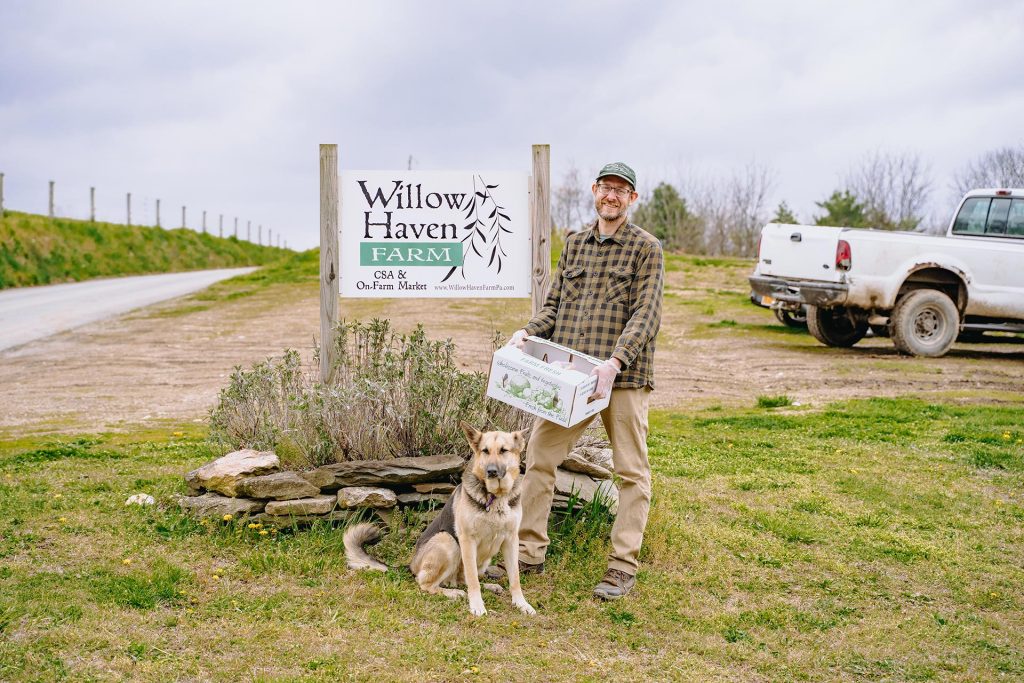
The Market Box CSA from Willow Haven Farm is your easy path to fresh, clean farm food directly from the farmers who raise it.
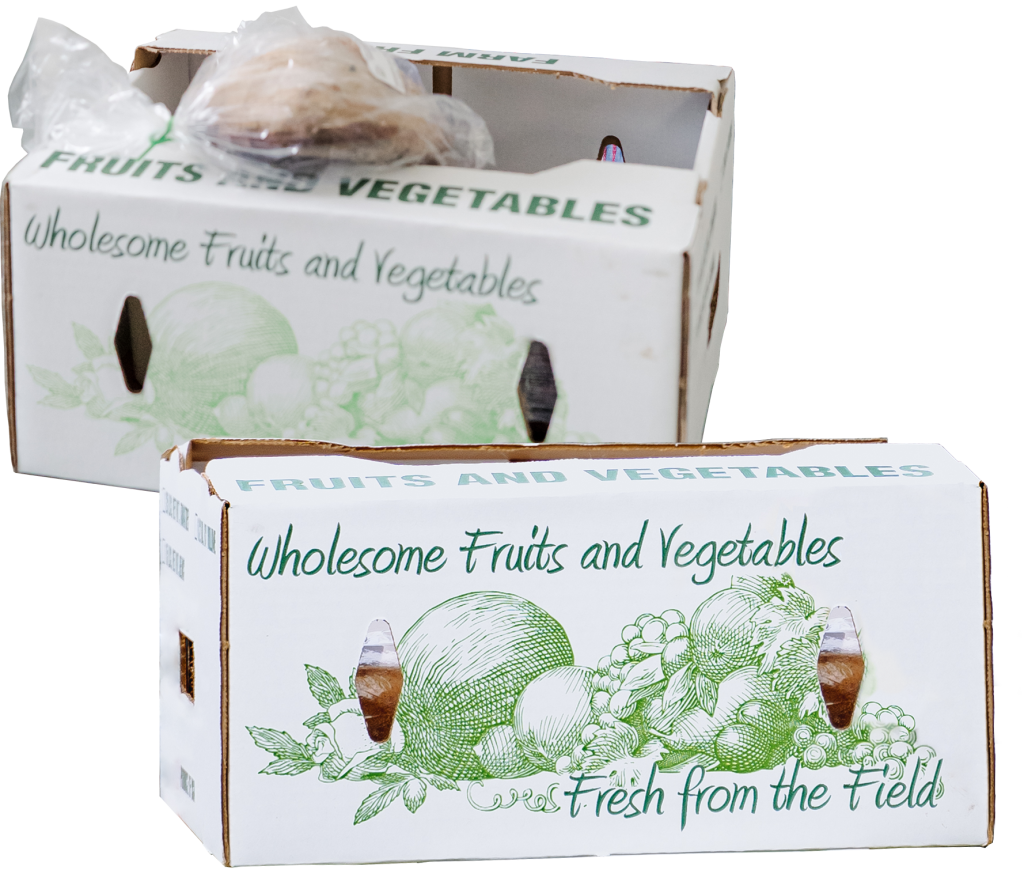
Shop with your local regenerative farmers
What is a market box?
The first step is your customized box of flavorful nutrient dense foods that fit the diet you want your family to eat: more vegetables and fruit, grass fed milk, nutritious pastured eggs, grass fed meat, pantry staples and natural clean living items.
- Custom packed with items you choose
- On a predictable schedule you can change
- Picked fresh from our fields
- Regeneratively grown by our farm family and staff
- Sourced from our fields and other local farms that hold our values
Make Healthy your New Normal
You’ll Never Live Healthier Tomorrow Unless You Eat Different Today
More people than ever have trouble eating “normal” foods without feeling awful afterward. It’s hard to stay on a healthy diet when nutritious food isn’t right at your fingertips.
How do you ever expect to get healthy and stay healthy without truly nutritious food?
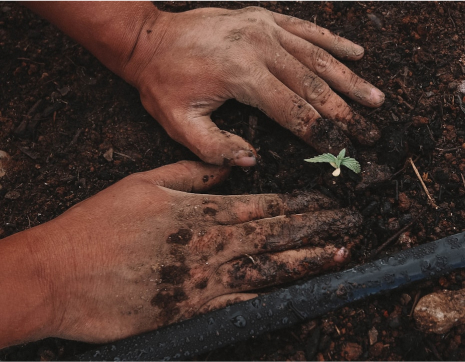
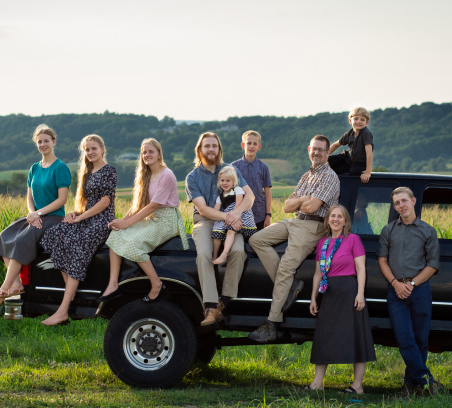
Meet the DeMasters of Willow Haven Farm
We've Struggled too!
I get it. My family struggles with foods we can’t eat and it’s taken us 15 years to find the truly nutritious foods that keep our family healthy all year round.
Now our eczema, constipation, allergies, and teenager’s hormones are under control.
Farmer Reuben’s blood sugar crashes are only a memory. Each of my pregnancies is healthier than the one before. Plus, our kids suffer fewer sick days than most families we know.
Farmer Reuben and I can help you overcome struggles like these.

Tessa
TWO WAYS to GET THE FOOD YOU NEED ON YOUR TABLE EVERYDAY OF THE YEAR
Visit the Farm Stores
Willow Haven Farm General Store
- 8150 Hamilton Blvd, Breinigsville, PA 18031
- Tues - Saturday 7am - 7 pm
On Farm Market Store
- 7686 Herber Rd, New Tripoli, PA 18066
- Saturday 9 am - 1 pm
Get Delivery Now
Clean, Local Food delivered to your door
- Custom packed with items you choose
- On a predictable schedule you can change
- Picked fresh from our fields
- Regeneratively grown by our farm family and staff
- Sourced from our fields and other local farms true to our values
our Farm Fresh Favorites
Freshness and flavor in every choice for your table.
AVOID FAKE FOOD
Don’t get tricked by corporate food gimmicks
- Mistake #1: Impersonal, Factory-Farmed Food
Do you really know where your food comes from? When you don’t, you’re risking less nutritious, mass-produced meals. Local farmers like us put care into the soil, which means better, nutrient-rich food on your plate. Don’t settle for bland, empty calories—know your farmer, know your food.
- Mistake #2: Meal Delivery Boxes
Meal kits may seem easy, but they’re mostly full of ingredients from industrial farms—despite the marketing. Plus, all that packaging? Wasteful. And before long, those meals get boring fast. Support local, and you’ll get fresher, more flavorful meals without the unnecessary junk.
- Mistake #3: Feeding Corporate Profits, Not Your Health
Grocery stores push products for profit, not your well-being. Why buy into that? Local growers like us care about what’s on your plate. Every dollar you spend on local food fuels your health, not some mega-corporation’s bottom line.
Will you love a Market Box subscription?
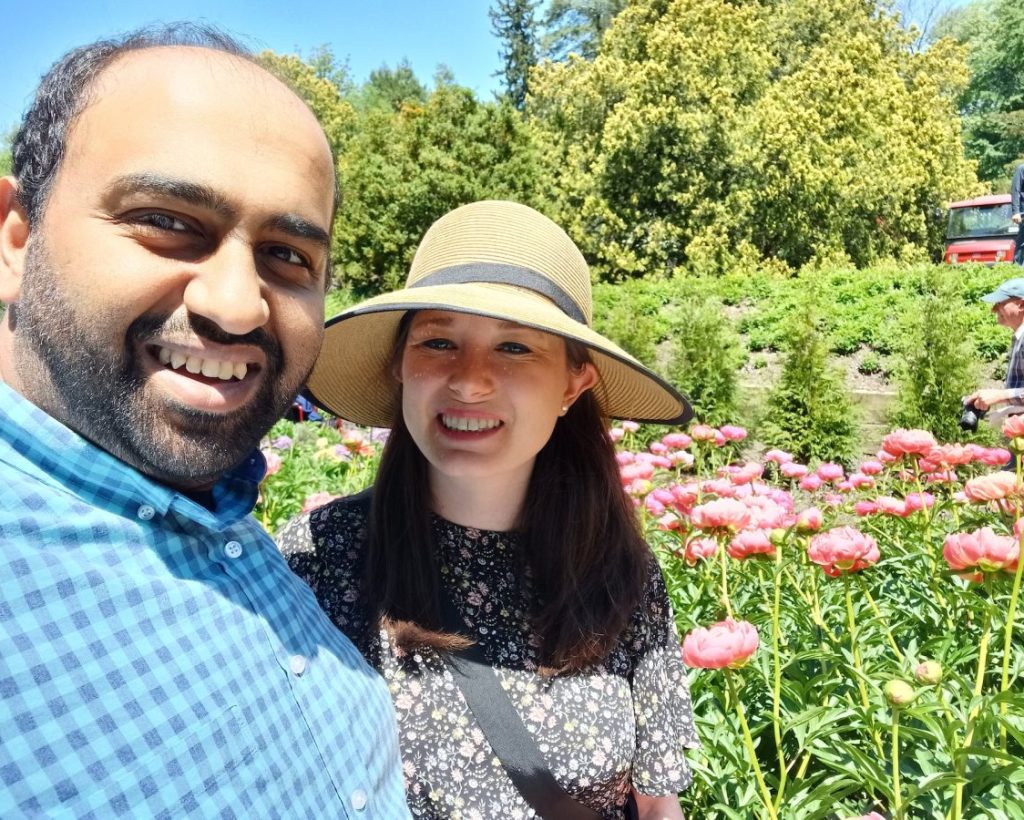
My husband and I love our Market box from Willow Haven Farm. There are so many fresh foods to choose from for each box and I know that what I am receiving is truly local. The application for selecting what goes in my box is easy to use and I switch or skip weeks if needed. We enjoy the convenience of the box, but also the way it has motivated us to eat more vegetables. Having the veggies and other good food from WHF on hand really makes a difference in my meal planning process.
Mario & Lucie
Willow Haven CSA is the best! Love that our boxes are customizable and we enjoy the family trips to the farm where my kids help pick the veggies. Another bonus is that we can get other things in their farm store like eggs, milk, meat, sourdough bread etc. We’re happy to support a great local farm and I’d recommend them to anyone!
Nathan
I absolutely love this farm. Each week a list of farm fresh produce, meat, and dairy comes, and I can meal plan around locally sourced healthy, nutritious foods for my family. Our likes and dislikes are always taken into consideration, and our box is always customizable. I love that I’m trying new recipes and my kids new foods!
Molly
I love knowing exactly where my food is coming from. It’s local and it’s delicious. Every week is like Christmas when I get my box and open it. I love the wide variety of vegetables, especially in the summer. I have thoroughly enjoyed trying new foods such as, kohlrabi, fennel, haikuri turnips, and golden beets.
Suzanne
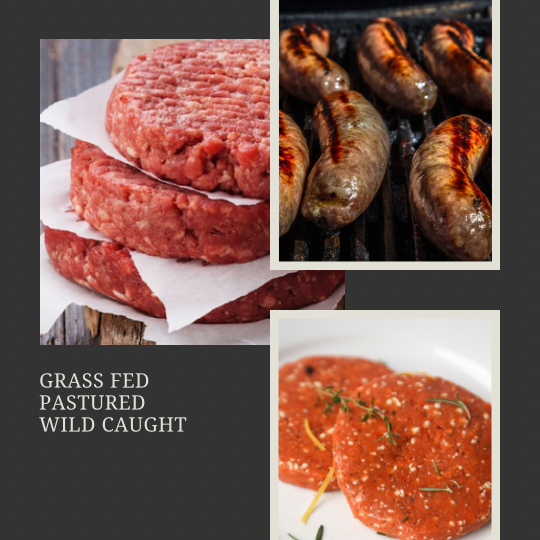
Stock your freezer with Pastured Meat
Be first to know
Bulk quantities of our pasture-raised meats – including half pigs and whole chickens – are limited and only offered just a few times per year.
These batches are limited and often reserved in advance.
Be the first to know when the next round becomes available.
Food security for your family can begin here with a fully stocked freezer.
No commitment – just early access.
Want a taste first?
👉 Browse this week’s pastured meats

