<?xml version='1.0' encoding='iso-8859-1' ?><rss version='2.0'><channel><title><![CDATA[Willow Haven Farm]]></title><description><![CDATA[]]></description><link>http://www.willowhavenfarmpa.com</link><language>en-us</language><docs>http://blogs.law.harvard.edu/tech/rss</docs><copyright>Copyright 2012Willow Haven Farm</copyright><item><title><![CDATA[under construction]]></title><description><![CDATA[<p>Under construction</p>]]></description><link><![CDATA[http://www.willowhavenfarmpa.com/content/14722]]></link><pubDate>Sun, 22 Apr 2012 15:20:26 -0500</pubDate></item><item><title><![CDATA[CDC realeases misleading Raw Milk Statistics]]></title><description><![CDATA[<p>I know that many of you drink raw milk.&nbsp; Many of you also are unsure of its safety.&nbsp; The Center for Disease Control continues to provide misleading statistics that attempt to convince us of the dangers of raw milk.&nbsp; At the same time, the CDC ignores a host of other unsafe foods.&nbsp; The most recent press release is typical of their methods.&nbsp; The following article gives a critique of the CDC data.&nbsp;</p>
<p>&nbsp;</p>
<div>&nbsp;</div>
<div>CDC CHERRY PICKS DATA TO MAKE CASE AGAINST RAW MILK</div>
<div>Agency ignores data that shows dangers of pasteurized milk</div>
<div>&nbsp;</div>
<div>WASHINGTON, DC, February 21, 2012. In a press release issued today, authors affiliated with the Centers for Disease Control claim that the rate of outbreaks caused by unpasteurized milk and products made from it was 150 times greater than outbreaks linked to pasteurized milk.&rdquo; The authors based this conclusion on an analysis of reports submitted to the CDC from 1993 to 2006.</div>
<div>&nbsp;</div>
<div>According the Weston A. Price Foundation, the CDC has manipulated and cherry picked this data to make raw milk look dangerous and to dismiss the same dangers associated with pasteurized milk.</div>
<div>&nbsp;</div>
<div>&ldquo;What consumers need to realize, first of all,&rdquo; said Sally Fallon Morell, president of the Weston A. Price Foundation, &ldquo;is that the incidence of foodborne illnesses from dairy products, whether pasteurized or not, is extremely low.&nbsp; For the 14-year period that the authors examined, there was an average of 315 illnesses a year from all dairy products for which the pasteurization status was known.&nbsp; Of those, there was an average of 112 illnesses each year attributed to all raw dairy products and 203 associated with pasteurized dairy products.</div>
<div>&nbsp;</div>
<div>&ldquo;In comparison, there are almost 24,000 foodborne illnesses reported each year on average.&nbsp; Whether pasteurized or not, dairy products are simply not a high risk product.&rdquo;</div>
<div>&nbsp;</div>
<div>Because the incidence of illness from dairy products is so low, the authors&rsquo; choice of the time period for the study affected the results significantly, yet their decision to stop the analysis with the year 2006 was not explained.&nbsp; The CDC&rsquo;s data shows that there were significant outbreaks of foodborne illness linked to pasteurized dairy products the very next year, in 2007: 135 people became ill from pasteurized cheese contad with e. coli, and three people died from pasteurized milk contaminated with listeria (wwwn.cdc.gov/foodborneoutbreaks/Default.aspx).</div>
<div>&nbsp;</div>
<div>Outbreaks from pasteurized dairy were also a significant problem in the 1980s.&nbsp; In 1985, there were over 16,000 confirmed cases of Salmonella infection that were traced back to pasteurized milk from a single dairy.&nbsp; Surveys estimated that the actual number of people who became ill in that outbreak were over 168,000, &ldquo;making this the largest outbreak of salmonellosis ever identified in the United States&rdquo; at that time, according to an article in the Journal of the American Medical Association.</div>
<div>&nbsp;</div>
<div>According to Fallon Morell &ldquo;In the context of the very low numbers of illnesses attributed to dairy in general, the authors&rsquo; decision to cut the time frame short, as compared to the available CDC data, is troubling and adds to questions about the bias in this publication.&rdquo;</div>
<div><br />According to Fallon Morell, the CDC&rsquo;s authors continue to obscure their study by failing to document the actual information they are using. They rely on reports, many of which are preliminary. Of the references related to dairy outbreaks, five are from outbreaks in other countries, several did not involve any illness, seven are about cheese-related incidents, and of the forty-six outbreaks they count, only five describe any investigations.</div>
<div>&nbsp;</div>
<div>Perhaps most troubling is the authors&rsquo; decision to focus on outbreaks rather than illnesses.&nbsp; An &ldquo;outbreak&rdquo; of foodborne illness can consist of two people with minor stomachaches to thousands of people with bloody diarrhea.&nbsp; In addressing the risk posed for individuals who consume a food, the logical data to examine is the number of illnesses, not the number of outbreaks.&nbsp;</div>
<div>&nbsp;</div>
<div>&ldquo;The authors acknowledge that the number of foodborne illnesses from raw dairy products (as opposed to outbreaks) were not significantly different in states where raw milk is legal to sell compared with states where it is illegal to sell,&rdquo; notes Judith McGeary of the Farm and Ranch Freedom Alliance.&nbsp; &ldquo;In other words, had the authors looked at actual risk of illness, instead of the artificially defined &ldquo;outbreaks,&rdquo; there would have been no significant results to report.&rdquo;</div>
<div>&nbsp;</div>
<div>This does not end the list of flaws with the study, however.&nbsp; The link between the outbreaks and the legal status of raw dairy mixed an entire category of diverse products. Illnesses from suitcase style raw cheese or queso fresco were lumped together with illnesses attributed to fluid raw milk, a much less risky product.&nbsp; In the majority of states where the sale of raw fluid milk is allowed, the sale of queso fresco is still illegal.&nbsp; The authors had all of the data on which products were legal and which products allegedly caused the illnesses, yet chose not to use that data.</div>
<div>&nbsp;</div>
<div>Similarly, to create the claimed numbers for how much riskier raw dairy products are, the authors relied on old data on raw milk consumption rates, rather than using the CDC&rsquo;s own food survey from 2006-2007.&nbsp; The newer data showed that about 3 percent of the population consumes raw milk&mdash;over nine million people--yet the authors chose instead to make conclusions based on the assumption that only 1 percent of the dairy products in the country are consumed raw.</div>
<div>&nbsp;</div>
<div>The authors also ignored relevant data on the populations of each state.&nbsp; For example, the three most populous states in the country (California, Texas, and New York) all allow for legal sales of raw milk; the larger number of people in these states would logically lead to larger numbers of illnesses than in low-population states such as Montana and Wyoming and has nothing to do with the fact that raw milk is illegal in those states.</div>
<div>&nbsp;</div>
<div>&ldquo;It would hardly be surprising to see some sort of increase in foodborne illnesses related to a food where that food is legal,&rdquo; said McGeary.&nbsp; &ldquo;If we banned ground beef, we&rsquo;d see fewer illnesses related to ground beef products.&nbsp;&nbsp; Yet this new study fails to prove even that common-sense proposition, even as it claims to prove a great deal more.&nbsp; What the data really shows is that raw dairy products cause very few illnesses each year, even though the CDC data indicates that over 9 million people consume it.&rdquo;&nbsp;</div>
<div>&nbsp;</div>
<div>
<div>Contact:&nbsp; Kimberly Hartke, Publicist, The Weston A. Price Foundation<br /><a title="mailto:press@westonaprice.org" href="wlmailhtml:{22772B6A-E3A5-4B00-A750-6DA5DFC993DF}mid://00000028/!x-usc:mailto:press@westonaprice.org">press@westonaprice.org</a><br />703-860-2711, 703-675-5557</div>
<div>
<div>&nbsp;</div>
<div>The Weston A. Price Foundation is a 501C3 nutrition education foundation with the mission of disseminating accurate, science-based information on diet and health. Named after nutrition pioneer Weston A. Price, DDS, author of Nutrition and Physical Degeneration, the Washington, DC-based Foundation publishes a quarterly journal for its 13,000 members, supports 500 local chapters worldwide and hosts a yearly conference. The Foundation headquarters phone number is (202) 363-4394, <a title="http://www.westonaprice.org/" href="wlmailhtml:{22772B6A-E3A5-4B00-A750-6DA5DFC993DF}mid://00000028/!x-usc:http://e2ma.net/go/7466466860/208839691/232133938/1407690/goto:http://www.westonaprice.org/">www.westonaprice.org</a>, <a title="mailto:info@westonaprice.org" href="wlmailhtml:{22772B6A-E3A5-4B00-A750-6DA5DFC993DF}mid://00000028/!x-usc:mailto:info@westonaprice.org">info@westonaprice.org</a>.</div>
</div>
</div>]]></description><link><![CDATA[http://www.willowhavenfarmpa.com/blog/13732]]></link><pubDate>Wed, 22 Feb 2012 14:13:44 -0600</pubDate></item><item><title><![CDATA[Kale]]></title><description><![CDATA[<p>Kale has a special place in a CSA.&nbsp; Growers love it because it grows in most&nbsp;conditions and it stores well after harvest.&nbsp; It has a great flavor which sweetens after a frost.&nbsp; It contains many vitamins (see chart below) and it tastes delicious in soups, steamed or sauteed.</p>
<p>For new CSA members, kale symbolizes the challenges of learning to prepare unfamiliar foods.&nbsp; Many people have tried kale for the first time in this and in other CSAs.&nbsp; After people figure out what it is, most people find that it becomes one of their favorite vegetables.&nbsp; Other people find it frustrating, strange, and unappealing.&nbsp;</p>
<p>This CSA gave out Kale about 6 weeks out of 22 this year.&nbsp; End of the year surveys show that an equal number of people want more kale as those that want less kale.&nbsp; As a kale lover, I wish everyone would want to eat more kale.&nbsp; Maybe they have never eaten it sauteed in olive oil, garlic and salt.&nbsp; After just 4 or 5 minutes in the pan, kale becomes a slightly wilted treat.&nbsp;</p>
<p>Although kale has been largely lost from modern diets, a traditional Scottish diet included a lot of kale.&nbsp; Up until the 20th century, a Scottish lowlander ate cabbage, turnips, and carrots in the summer and kale all winter.&nbsp; Kale was so common that they referred to the vegetable garden as the 'kail-yard'.&nbsp; Kale was also the word used for the evening meal - "Will you come and tak your kail wi' me?".&nbsp; Broth or soup could also be called just 'kail'.&nbsp;</p>
<p>As I plan next year's crops, I am trying to balance conflicting member feedback.&nbsp; I always plan so that the majority of the vegetables are familiar and then I fill in with less requested items.&nbsp; I expect that this CSA will always include some kale, because that is what makes the CSA idea unique and great.&nbsp;</p>
<p>&nbsp;</p>
<p>&nbsp;<img src="http://whfoods.org/foodchart.php?id=38" alt="Food Chart" /></p>]]></description><link><![CDATA[http://www.willowhavenfarmpa.com/blog/12947]]></link><pubDate>Mon, 09 Jan 2012 12:09:55 -0600</pubDate></item><item><title><![CDATA[Farm Animals]]></title><description><![CDATA[<p>&nbsp;&nbsp;&nbsp;&nbsp;&nbsp;&nbsp; This summer, Willow Haven Farm added fencing and several new animals.&nbsp; The plan took several years to execute.&nbsp; We planted the first pasture in the fall of 2009 and the next pasture in the fall of 2010.&nbsp; Meadow View Fencing did the task of putting up the fence.&nbsp; Four workers installed over 2500 feet of fence in 1 1/2 days.&nbsp; The fence is a high-tensile, electified woven wire.&nbsp; It comes from New Zealand.</p>
<p>&nbsp;&nbsp;&nbsp;&nbsp;&nbsp;&nbsp; Soon after the fence was in place, a neighbor introduced me to someone with goats.&nbsp; To make a long story short, I ended up with 3 billy goats (male).&nbsp; Later, I found someone else with a dairy goat that they were willing to part with and I added a doe (female).&nbsp; Therefore I am expecting kids in the spring and I have the potential to try milking.&nbsp; The goats are friendly and curious.&nbsp; I don't know if they will become a larger part of the farm.</p>
<p>&nbsp;&nbsp;&nbsp;&nbsp;&nbsp; Early in September, my long awaited Jacob sheep finally arrived from their home in West Virginia.&nbsp; Well, they mostly arrived.&nbsp; The shepherdess attempted to lead them from her van to the pasture.&nbsp; They followed half way and then decided that they had other ideas.&nbsp; The flock of 8 went for a short jog and we stopped them over the next hill.&nbsp; The next few hours were spent wading through soybeans trying to capture sheep.&nbsp; We had some success sneaking up on them and then tackling them.&nbsp; To make a long story short, captured 5 of the 8 sheep on that Saturday.&nbsp; The next day, a neighbor found the 6th sheep in his pasture with his flock.&nbsp;</p>
<p>&nbsp;&nbsp;&nbsp;&nbsp; That left 2 loose Jacob sheep, both ewes, and the hunt began.&nbsp; For several days, we knocked on neighbors' doors and drove around each day looking.&nbsp; Often someone would see the renegade pair and report their location.&nbsp; However, when we tried to surround or lure the sheep, they always ended up running.&nbsp; This happened for weeks.&nbsp; The sheep disappeared for a week and then showed up near the farm.&nbsp;</p>
<p>&nbsp;&nbsp;&nbsp;&nbsp; Late in October, the two ewes left the area, crossed interstate highway 78 and were sighted on the other side of the township.&nbsp; This told me that they were probably not coming back and that I was not going to be able to find them.</p>
<p>&nbsp;&nbsp;&nbsp;&nbsp; That was the last that I heard about the sheep until the story in the Morning Call newspaper the day before Thanksgiving.&nbsp; The article featured a picture of the lost sheep with an arrow sticking out of her rear end.&nbsp; Obviously, some bowhunter decided that he was going to take a shot at a Thanksgiving sheep.&nbsp; For the past week, this wounded sheep has been wandering around someone's property still evading capture.&nbsp; There apparently was no sign of the other lost sheep.&nbsp;</p>
<p>&nbsp;&nbsp;&nbsp;&nbsp; Regardless of how this story turns out, my fence still holds 4 beautiful ewes, 1 ram, and one wether. This is Newell, a four&nbsp; horned ram: &nbsp; &nbsp;&nbsp;</p>
<p>&nbsp;</p>
<p>&nbsp;</p>
<p>&nbsp;</p>
<p>&nbsp;</p>
<p>&nbsp;</p>
<p>&nbsp;</p>
<p>&nbsp;</p>
<p>&nbsp;</p>
<p>&nbsp;</p>
<p>&nbsp;</p>
<p>&nbsp;</p>
<p>&nbsp;</p>]]></description><link><![CDATA[http://www.willowhavenfarmpa.com/blog/12776]]></link><pubDate>Thu, 29 Dec 2011 09:36:53 -0600</pubDate></item><item><title><![CDATA[Recipies from the Open Farm on October 16.]]></title><description><![CDATA[<p>A huge thank you goes to Debra Davis who prepared 3 delicious dishes to taste at the open farm event last Sunday.&nbsp; Debra used vegetables from the farm to create some unique tastes.&nbsp; If you would like to try to make it at home, here are the recipies that she used:&nbsp;</p>
<p>&nbsp;</p>
<p><strong>Carrot Soup</strong></p>
<p>4 slices bacon<br />1/2 C. onion<br />1-3 cloves garlic<br />26oz chicken broth<br />2 C. carrots, chopped<br />1 C. potatoes, diced<br />2-3 fresh tomatoes or 1- 14oz can diced<br /><br />In a stock pot, cook bacon (till crisp), onion and garlic. Stir in chicken broth, carrots, potatoes and tomatoes. Bring to a boil, then simmer until veggies are tender. Using a stick blender or pour soup into a blender; puree until smooth. Add more broth if necessary. Garnish with a dollop of sour cream and chopped fresh parsley.</p>
<p>&nbsp;</p>
<p><strong>Baba Ghanoush</strong></p>
<p>1 Lg eggplant(about 1 lb.)<br />1 clove garlic, minced<br />1/4 tsp. salt<br />1/4 C. finely chopped fresh flat-leafed parsly, plus more for garnish.<br />2 T. tahini<br />2 T. lemon juice<br /><br />Preheat oven to 450*F<br />Prick eggplant with a fork and place on a cookie sheet lined with foil. Bake the eggplant until it is soft inside, about 20 minutes. Alternatively, grill the eggplant over a gas grill, rotating it around until the skin is completely charred, about 10 minutes. Let the eggplant cool. Cut the eggplant in half lengthwise, drain off the liquid, and scoop the pulp into a food processor. Process the eggplant until smoothe and transfer to a medium bowl.<br />On a cutting board, work garlic and 1/4 tsp salt together with the flat side of a knife, until it forms a paste. Add the garlic-salt mixture to the eggplant. Stir in the parsley, tahini, and lemon juice. Season with more salt to taste. Garnish with additional parsley.</p>
<p>&nbsp;</p>
<p><strong>Sweet Potato Muffins</strong></p>
<p>1 1/2 C. unbleached A P flour<br />1/4 C. sugar<br />1/2 tsp. baking powder<br />2  tsp. baking soda<br />1/2 tsp. salt<br />1/2 C. vegetable oil<br />1/2 C. brown  sugar<br />2 eggs<br />1 tsp. vanilla <br />3/4 lb. sweet potatoes, cooked and  mashed,(1 1/2 cups)<br />3/4 lb. unpeeled succhini,shredded(1 1/2 cups)<br />1 T.  minced fresh tarragon<br />1 1/2 tsp cinnamon<br /><br />Preheat oven to 375*F. Grease  2 muffin tins or line with paper muffin cups. Sift together the flour, sugar,  baking powder, baking soda, and salt. In a separate large bowl, beat the oil,  brown sugar, eggs, and vanilla.<br />Stir the sweet potatoes, zucchini, tarragon,  and cinnamon into the oil and egg mixture. Add the flour mixture and stir until  blended. <br />Pour the batter into the muffin tins. Bake for 20 minutes.<br />2  dozen regular size muffins or 1 doz oversized muffins.</p>]]></description><link><![CDATA[http://www.willowhavenfarmpa.com/blog/12349]]></link><pubDate>Mon, 17 Oct 2011 20:21:49 -0500</pubDate></item><item><title><![CDATA[New recipe: Stir-Fried Bok Choy with Ginger and Garlic]]></title><description><![CDATA[<p><span style="font-size: x-small;">Ingredients</span></p>
<ul>
<li>1 tablespoon olive oil</li>
<li>2 cloves garlic, minced or <strong style="color:#009900">scapes</strong></li>
<li>1 tablespoon minced fresh ginger</li>
<li>1 head chopped fresh <strong style="color:#009900">bok choy</strong></li>
<li>2 tablespoons reduced-sodium soy sauce</li>
<li>Salt and ground black pepper</li>
</ul>
<h2><span style="font-size: x-small;">Directions</span></h2>
<p>Heat oil in a large skillet over medium heat. Add garlic and  ginger and cook 1 minute. Add bok choy and soy sauce cook 3 to 5  minutes, until greens are wilted and stalks are crisp-tender. Season, to  taste, with salt and black pepper.</p>
<h2><span style="font-size: x-small;">Ingredients</span></h2>
<ul>
<li>1 tablespoon olive oil</li>
<li>2 cloves garlic, minced or <strong style="color:#009900">scapes</strong></li>
<li>1 tablespoon minced fresh ginger</li>
<li>1 head chopped fresh <strong style="color:#009900">bok choy</strong></li>
<li>2 tablespoons reduced-sodium soy sauce</li>
<li>Salt and ground black pepper</li>
</ul>
<h2><span style="font-size: x-small;">Directions</span></h2>
<p>Heat oil in a large skillet over medium heat. Add garlic and  ginger and cook 1 minute. Add bok choy and soy sauce cook 3 to 5  minutes, until greens are wilted and stalks are crisp-tender. Season, to  taste, with salt and black pepper.</p>]]></description><link><![CDATA[http://www.willowhavenfarmpa.com/recipe/2037]]></link><pubDate>Mon, 27 Jun 2011 14:12:39 -0500</pubDate></item><item><title><![CDATA[New recipe: Garlic Bok Choy]]></title><description><![CDATA[<p>1 bunch bok choy</p>
<p>2 to 3 cloves of garlic (or more if prefer)</p>
<p>1 to 2&nbsp; tbsp oil</p>
<p>&frac14; cup water or chicken broth</p>
<p>&nbsp;</p>
<ol>
<li>Cut at least 1&rdquo; off the bottom of the bok choy and rinse well.</li>
<li>Heat oil in pan and add garlic until slightly brown.</li>
<li>Stir in bok choy till coated with the garlic oil. </li>
<li>Pour water or chicken broth (if using) and let it cook until leaves are wilted or stalks are tender.</li>
</ol>
<p>Serve as a side dish.</p>]]></description><link><![CDATA[http://www.willowhavenfarmpa.com/recipe/1647]]></link><pubDate>Mon, 27 Jun 2011 14:12:14 -0500</pubDate></item><item><title><![CDATA[New recipe: Grilled Pork Chops and Bok Choy with Sesame Garlic Glaze]]></title><description><![CDATA[<p>From the book: From Asparagus to Zucchini, which every CSA member should own</p>
<p>Griled Pork Chops and Bok Choy with Sesame Garlic Glaze</p>
<p>3 tablespoons soy sauce</p>
<p>1 1/2 tablespoons sesame oil</p>
<p>1 1/2 teaspoons bottled Vietnamese-style chili garlic sauce</p>
<p>4 pork chops (5/8 inch thick)</p>
<p>8 large stalks bok choy (including greens) root ends trimmed.</p>
<p>&nbsp;</p>
<p>Combine soy sauce, sesame oil, and chili garlic sauce in a large, deep plate or dish. &nbsp;Place pork chops in the mixture, turning to coat all surfaces. Let stand at room temperature, turning the chops occasionally, while you prepare coals in an outdoor grill to medium-high heat. &nbsp;When coals are ready, remove the chops from the marinade and grill them until just done. 3-4 minutes per side. &nbsp;Meanwhile, grill the bok choy stalks until tender, about the same amount of time as the chops, basting them with the remaining marinade while they cook. &nbsp;Serve with rice or an Asian noodle dish. Makes 4 servings.</p>]]></description><link><![CDATA[http://www.willowhavenfarmpa.com/recipe/1517]]></link><pubDate>Mon, 27 Jun 2011 14:10:15 -0500</pubDate></item><item><title><![CDATA[Vegetable Selection]]></title><description><![CDATA[<p><span style="font-size: medium;">The following list contains the types of vegetables that Willow Haven Farm plants and plans to distribute in our weekly deliveries.&nbsp; </span></p>
<p><span style="font-size: medium;">We cannot guarantee that you will receive everything listed because farming comes with a lot of risk.&nbsp; Our growing practices seek to minimize damage from insects, diseases, and weather, but some things are beyond our control.&nbsp; </span></p>
<p>&nbsp;</p>
<p style="text-align: left;"><span style="font-size: small;"><span style="color: #003300;">Onion </span></span></p>
<p style="text-align: left;"><span style="font-size: small;"><span style="color: #003300;"><span style="font-size: small;"><span style="color: #003300;">Spinach</span></span></span></span></p>
<p style="text-align: left;"><span style="font-size: small;"><span style="color: #003300;">Shallot&nbsp; </span></span></p>
<p style="text-align: left;"><span style="font-size: small;"><span style="color: #003300;">Scallion</span></span></p>
<p><span style="font-size: small;"><span style="color: #003300;">Leek </span></span></p>
<p><span style="font-size: small;"><span style="color: #003300;"><span style="font-size: small;"><span style="color: #003300;">Swiss Chard</span></span></span></span></p>
<p><span style="font-size: small;"><span style="color: #003300;">Beets</span></span></p>
<p><span style="font-size: small;"><span style="color: #003300;">Carrots</span></span></p>
<p><span style="font-size: small;"><span style="color: #003300;">Potatoes</span></span></p>
<p><span style="font-size: small;"><span style="color: #003300;">Peppers</span></span></p>
<p><span style="font-size: small;"><span style="color: #003300;">Eggplant</span></span></p>
<p><span style="font-size: small;"><span style="color: #003300;">Tomatoes</span></span></p>
<p><span style="font-size: small;"><span style="color: #003300;">Cucumbers</span></span></p>
<p><span style="font-size: small;"><span style="color: #003300;">Squash</span></span></p>
<p><span style="font-size: small;"><span style="color: #003300;">Zucchini</span></span></p>
<p><span style="font-size: small;"><span style="color: #003300;">Pumpkins</span></span></p>
<p><span style="font-size: small;"><span style="color: #003300;">Cantalope</span></span></p>
<p><span style="font-size: small;"><span style="color: #003300;">Watermelons</span></span></p>
<p><span style="font-size: small;"><span style="color: #003300;">Sweet Potatoes</span></span></p>
<p><span style="font-size: small;"><span style="color: #003300;">Broccoli</span></span></p>
<p><span style="font-size: small;"><span style="color: #003300;">Cabbage</span></span></p>
<p><span style="font-size: small;"><span style="color: #003300;">Cauliflower</span></span></p>
<p><span style="font-size: small;"><span style="color: #003300;">Kale</span></span></p>
<p><span style="font-size: small;"><span style="color: #003300;">Collard Greens</span></span></p>
<p><span style="font-size: small;"><span style="color: #003300;">Beans</span></span></p>
<p><span style="font-size: small;"><span style="color: #003300;">Peas</span></span></p>
<p><span style="font-size: small;"><span style="color: #003300;">Basil</span></span></p>
<p><span style="font-size: small;"><span style="color: #003300;">Parsley</span></span></p>
<p><span style="font-size: small;"><span style="color: #003300;">Cilantro</span></span></p>
<p><span style="font-size: small;"><span style="color: #003300;">Chives</span></span></p>]]></description><link><![CDATA[http://www.willowhavenfarmpa.com/content/3309]]></link><pubDate>Sun, 19 Jun 2011 21:17:31 -0500</pubDate></item><item><title><![CDATA[How It Works]]></title><description><![CDATA[<p><span style="font-size: small;">&nbsp;&nbsp;&nbsp;&nbsp; Willow Haven Farm is a small, family-owned farm that provides fresh, locally grown vegetables delivered to your home.&nbsp;&nbsp;We offer our customers a share of the vegetables produced during the summer.&nbsp;</span><span style="font-size: small;">&nbsp;&nbsp;</span><span style="font-size: small;">&nbsp;</span></p>
<p>&nbsp;</p>
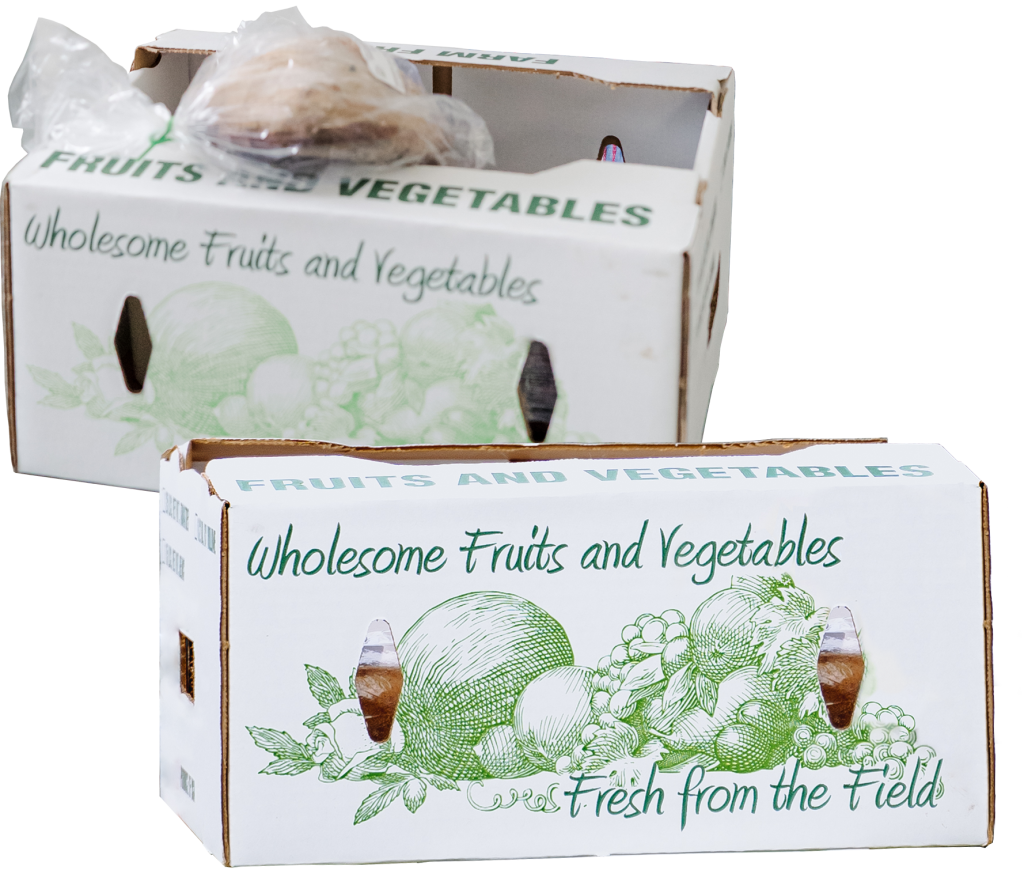
<p><span style="font-size: small;">&nbsp;&nbsp;&nbsp;&nbsp; Each week, you will receive a box of fresh vegetables that have been picked during the week.&nbsp; The vegetables in the box will be a wide variety&nbsp;of seasonal crops.&nbsp; Unlike grocery stores that receive shipments of food from thousands of miles away, you will receive locally grown vegetables grown in season.&nbsp; This means that not&nbsp;all vegetables will be available every month of the year.&nbsp;&nbsp;</span></p>
<p>&nbsp;</p>
<p><span style="font-size: small;">&nbsp;&nbsp;&nbsp;&nbsp; Your box will be delivered every week on&nbsp;Wednesday afternoon.&nbsp; It will be placed in the location that you specify.&nbsp; Prior to the season, we will let you know which will be your day.&nbsp; </span></p>
<p>&nbsp;</p>
<p><span style="font-size: small;">&nbsp;&nbsp;&nbsp; Our delivery area is approximately 15 miles from the farm.&nbsp; This includes Allentown, Emmaus, Macungie, Northampton, and Bethlehem.&nbsp;&nbsp;If you live outside of this area, please contact us for other possible options.&nbsp;&nbsp;</span></p>
<p>&nbsp;</p>
<p><span style="font-size: small;">&nbsp;</span><span style="font-size: small;">&nbsp;&nbsp;&nbsp;&nbsp; The season will begin&nbsp;the week of June 1&nbsp;and will continue through the week of&nbsp;October 25.&nbsp; Deliveries are scheduled for 22 weeks.&nbsp; You may elect to take a vacation week during the summer.&nbsp; If you do so, you will get an additional vegetable delivery the week of November 1.&nbsp; </span><span style="font-size: small;">If you plan to be away for more than one week, please consider sharing your box with a friend.&nbsp;</span></p>
<p>&nbsp;</p>
<p><span style="font-size: small;">&nbsp;&nbsp;&nbsp;&nbsp; You may&nbsp;choose to receive every week or every other week.&nbsp;&nbsp;You may pay in full at signout or you may mail a check to the farm&nbsp;&nbsp;We will accept a&nbsp;$200 down payment with final payments by&nbsp;June 1.&nbsp; </span></p>
<p><span style="font-size: small;">&nbsp;&nbsp;<span style="background-color: #ffff00;"> &radic;</span><span style="background-color: #ffff00;">&nbsp;&nbsp;</span>&nbsp; Yes, I'm interested.&nbsp; </span><a href="http://www.willowhavenfarmpa.com/members"><span style="font-size: small;">Where do I sign up?</span></a></p>
<p><span style="font-size: small;">&nbsp;&nbsp;&nbsp;&nbsp; </span></p>
<p><span style="font-size: small;">&nbsp;&nbsp;&nbsp;&nbsp; </span><span style="font-size: small;">Please <a href="http://www.willowhavenfarmpa.com/contact">contact us</a> if you are interested in farmwork&nbsp;or delivering vegetables in exchange for a reduction in&nbsp;price.&nbsp; We are committed to providing healthy food to anyone.&nbsp; </span></p>
<p><span style="font-size: small;"><a href="http://www.willowhavenfarmpa.com/members"></a></span></p>
<p>&nbsp;</p>
<p><span style="font-size: small;">&nbsp;&nbsp;&nbsp; </span>&nbsp;</p>
<p>&nbsp;</p>
<p>&nbsp;</p>]]></description><link><![CDATA[http://www.willowhavenfarmpa.com/content/2973]]></link><pubDate>Sun, 19 Jun 2011 20:43:28 -0500</pubDate></item></channel></rss>